


Trauma Therapy for Women
Sexual Trauma. Domestic Abuse. Complex PTSD. All Welcome Here.
Online across British Columbia
Are you struggling with feeling overwhelmed with triggers, unsure of your own worth, or unsafe in the world or in your relationships?
Maybe you have a childhood that you called normal until recently, or there have been years of quietly managing everyone else's needs while falling apart inside. Maybe it's trouble trusting people, or feeling disconnected from yourself. You don't have to keep doing this on your own. I'd be glad to help.

What I Help With
Maybe you're struggling with something you grew up around, something bad that happened to you, or something that's still showing up in your life now. Whatever you've been through, I'm here for you.
Abuse & Trauma
Neglect
Complex/Developmental trauma
PTSD & CPTSD
Sexual abuse, trauma, and violence
Domestic abuse
Parental mental illness & Abuse
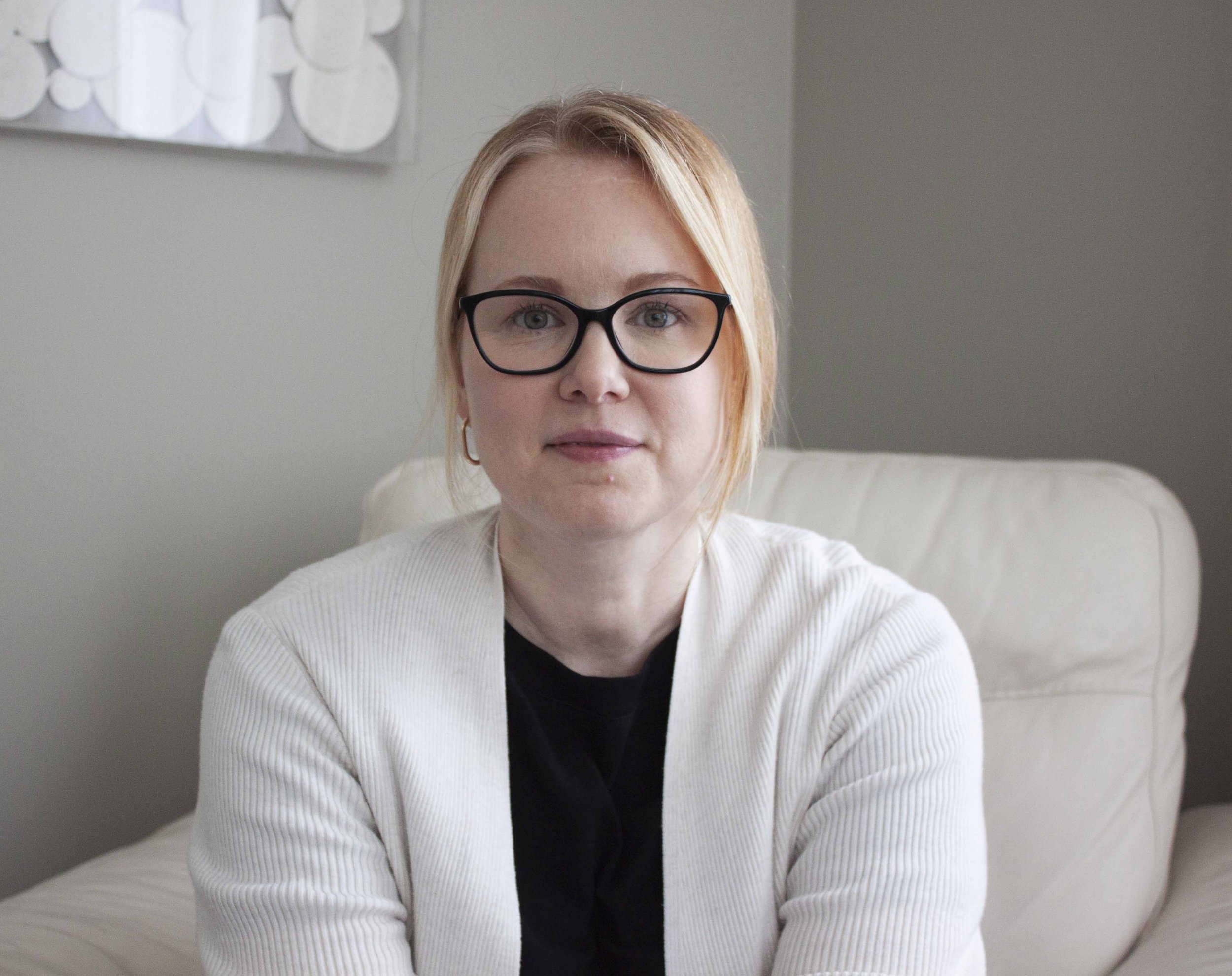
Julie Thomason
BFA, MACP, RCC-ACS, PhD Candidate | She
Meet Julie, Your Trauma Therapist
I know how brave you are for just being here, and I want you to know this is exactly the kind of work I feel the most compassion for, and most equipped to hold. Trauma work has been the focus of my career for close to a decade. I bring real, lived understanding to this work, alongside years of clinical training and deep clinical experience. I'd be honoured to help you find your way through this.

How We Begin
It's okay if this feels like a big step. You don't have to have everything figured out. I can help you get there and Im here when you’re ready.
-
A consultation is a no-pressure, friendly conversation to discuss your goals and to see if we're the right fit. It also gives you a chance to ask any questions you may have.
-
During the consultation, if it feels right for both of us, we'll book your first session.
-
In your first session, we'll talk through what brought you here and start building a plan to address it, together.
My Approach to Trauma Therapy
All of my work is trauma-focused, and is an integrative blend of cognitive, emotional, and somatic approaches, all focused around helping you. We'll work our way through the following stages, and you're always in control of the process.
1. Stabilization
Creating the feeling of safety and building tools to manage your feelings.
2. Processing
Working through what happened slowly, in a way that feels right for you.
3. Integration
Integrating your trauma story into your overall life narrative, so it becomes one part of your story.

DOMESTIC ABUSE AND UNHEALTHY RELATIONSHIP SUPPORT
Is Your Relationship Abusive?
One form of trauma that requires specialized support is domestic abuse. If you resonate with this, just know that when you are ready, I am here for you.
-
Maybe you find yourself confused about what's happening, spending a lot of time trying to make sense of it, or fantasizing about leaving. Maybe your partner swings between being cruel and being loving, and that back-and-forth leaves you doubting your own perception. Maybe it feels like every part of your life, your time, your choices, your relationships with others, is being controlled. You might be feeling bad without having the words for exactly what it is.
-
Some people call it domestic abuse, or intimate partner violence. The term that most accurately defines it, to me, is intimate partner terrorism, because it isn't something that just happens in the home, and it isn't always violent or physical. It's all-consuming and expansive, often shaped and targeted toward your individual wounds and vulnerabilities, for the purpose of controlling you. And it's usually invisible to everyone on the outside, even therapists, which is why it can be so hard to name, even when you're the one living it.
-
Healing is possible, and there is a way through this. I bring a deep understanding to this work, not just clinical experience and training. It's okay if you don't have the right words yet, or don't know exactly what to call it, to get started. I'm here to help you find your way back to feeling safe, grounded, and like yourself again.

FAQ’s: Trauma & PTSD Therapy
-
You don't need a diagnosis to benefit from therapy. Many clients come to me unsure if their experience "counts" as trauma. If you've gone through something painful, you deserve care and support.
-
Complex trauma, or C-PTSD, develops from prolonged or repeated exposure to traumatic events over time, such as childhood abuse, neglect, narcissistic abuse, or domestic abuse. It can affect you in many ways, including how you see yourself, how safe you feel, and how you relate to others.
-
No. You're the expert on your own experience and I'm here to support you. Whether you choose to share details or heal through other approaches, I honour that your healing journey is unique and personal. You're entirely in control of the process.
-
Yes. Trauma doesn't need to be fully remembered, or recent, for it to still be affecting you. Many people I work with are processing things that happened years or decades ago, and healing is possible no matter how much time has passed.


Let’s Connect
The first step can be the hardest part, and I want to make it easy. Whatever you're carrying, you don't have to carry it alone. Book a session using the button below or send an email from the contact page.